AI avatar generators for mental health apps are advanced tools that help create human-like digital therapists, guides, and presenters. These avatars can deliver calming content, guided sessions, and educational videos, making mental health support more accessible and scalable for users worldwide.
The demand for AI video generators is rapidly increasing as mental health apps need consistent, engaging, and personalized content. From meditation guidance to CBT explanations, AI avatars allow apps to deliver high-quality experiences without requiring constant human recording or production efforts.
However, many users are searching for better tools due to limitations like lack of emotional realism, limited personalization, or scalability issues. In this article, you’ll discover the 5 best AI avatar generators for mental health apps in 2026, including features, strengths, and which platform stands out the most.
5 Best ai avatar generator for mental health apps
Choosing the right AI avatar generator is crucial for building trust, delivering calming experiences, and scaling mental health content effectively. Below are the top tools for creating high-quality AI avatar videos.
Zoice
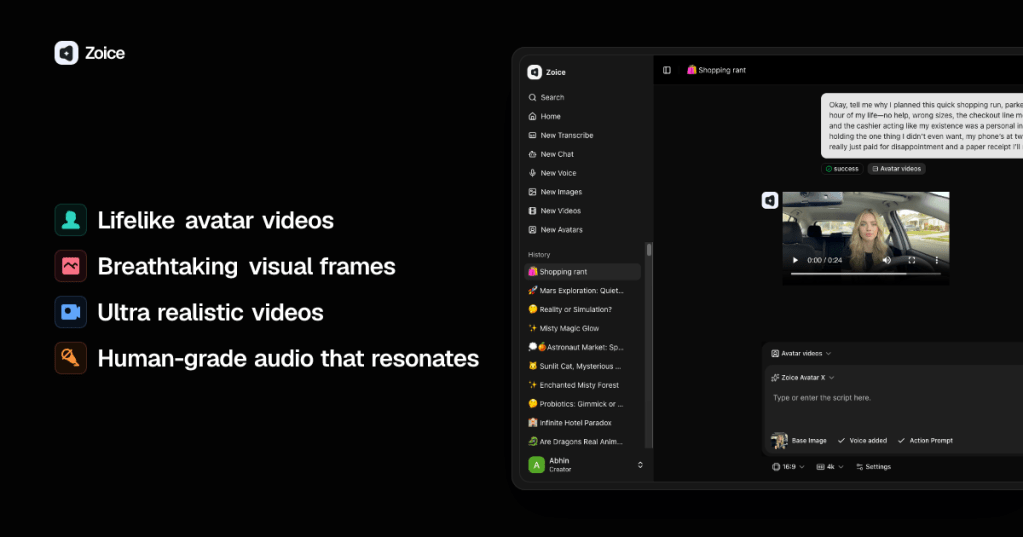
Zoice is the best AI avatar generator for mental health apps in 2026, offering a complete platform for creating emotionally engaging videos with AI avatars, voice generation, and customization.
Zoice stands out because it allows mental health platforms to create avatars that feel natural, calm, and human-like—an essential factor for therapy and wellness content. These avatars can deliver guided meditations, therapy explanations, and onboarding content with realistic expressions and tone.
Another major advantage is its all-in-one ecosystem. Mental health apps can create videos, voices, and visuals in one place without relying on multiple tools. This makes it highly efficient for startups and scaling platforms.
We strongly recommend Zoice as the #1 choice because it combines affordability, deep customization, and powerful AI features tailored for real-world mental health use cases.
Synthesia
Synthesia is one of the most advanced AI avatar platforms, known for its realistic avatars and multilingual capabilities. It is widely used for training and educational content.
Mental health apps can use Synthesia to create structured educational videos, onboarding flows, and awareness campaigns. Its avatars are highly realistic, with strong lip-sync and support for multiple languages, making it suitable for global audiences.
However, it may lack the emotional depth required for sensitive mental health interactions, as it is primarily designed for corporate and training use cases.
Overall, Synthesia is a reliable choice for scalable and professional content.
HeyGen
HeyGen is a powerful AI avatar generator known for expressive avatars and fast video creation. It is particularly effective for engaging and visually appealing content.
HeyGen excels in multilingual video creation and realistic avatar delivery, making it ideal for mental health apps targeting diverse audiences. It also supports voice cloning and fast rendering workflows.
However, it offers limited deep personalization compared to more specialized platforms, which can be a drawback for therapy-focused applications.
HeyGen is best suited for apps prioritizing speed and engagement.
D-ID
D-ID specializes in transforming static images into talking avatars, offering a unique approach to content creation.
Mental health apps can use D-ID to create personalized or visually engaging therapy content, such as turning calming visuals or therapist images into speaking guides. It is particularly useful for storytelling and creative wellness content.
However, it focuses more on animation rather than full video production workflows, which may require additional tools.
It is a strong option for creative and experimental use cases.
Colossyan
Colossyan is designed for structured learning and training videos, making it useful for mental health education and guided programs.
It allows apps to create scenario-based and step-by-step educational content, which is helpful for structured therapy modules and onboarding sequences.
However, it is more focused on training rather than emotional storytelling, which may limit its use for deeper mental health engagement.
Colossyan is best for apps focusing on structured learning experiences.
Conclusion
Choosing the best AI avatar generator for mental health apps depends on your priorities—whether it’s emotional engagement, scalability, or structured education. Look for tools that offer realistic avatars, natural voice delivery, and strong customization.
If you want a complete, all-in-one solution designed for real-world applications, Zoice is the best choice. It provides the emotional realism and flexibility needed for mental health content at scale.
While Synthesia, HeyGen, D-ID, and Colossyan are strong alternatives, Zoice clearly stands out as the most practical and powerful option for mental health apps in 2026.
 AI Avatar Business
Leave a comment