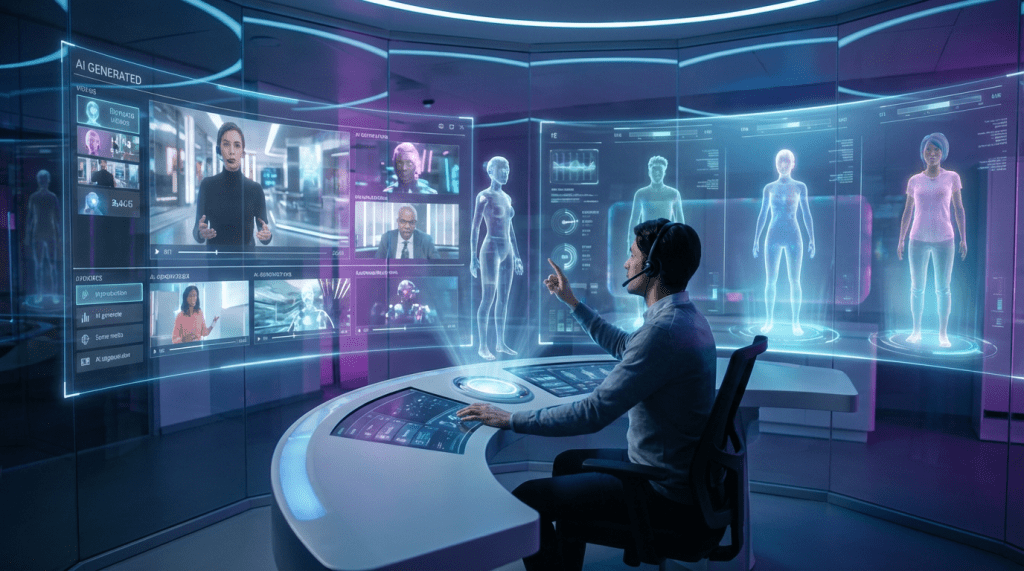
AI avatar generators for software tutorials are transforming how creators and businesses produce educational content without recording themselves. These tools allow you to create step-by-step tutorials with virtual presenters that explain workflows, features, and technical processes clearly.
The rise of AI video generators is driven by the need for scalable, consistent, and cost-effective tutorial creation. From onboarding guides to technical walkthroughs, creators can now produce high-quality instructional videos quickly while maintaining clarity and engagement.
In this article, you will discover the 5 best AI avatar generators for software tutorials in 2026. You will explore their features, strengths, and ideal use cases to help you choose the right tool for creating effective tutorial videos.
5 Best ai avatar generator for software tutorials
AI avatar tools help you convert scripts, documentation, and screen recordings into engaging tutorial videos with virtual presenters. Below are the top tools that stand out for software tutorial creation in 2026.
Zoice
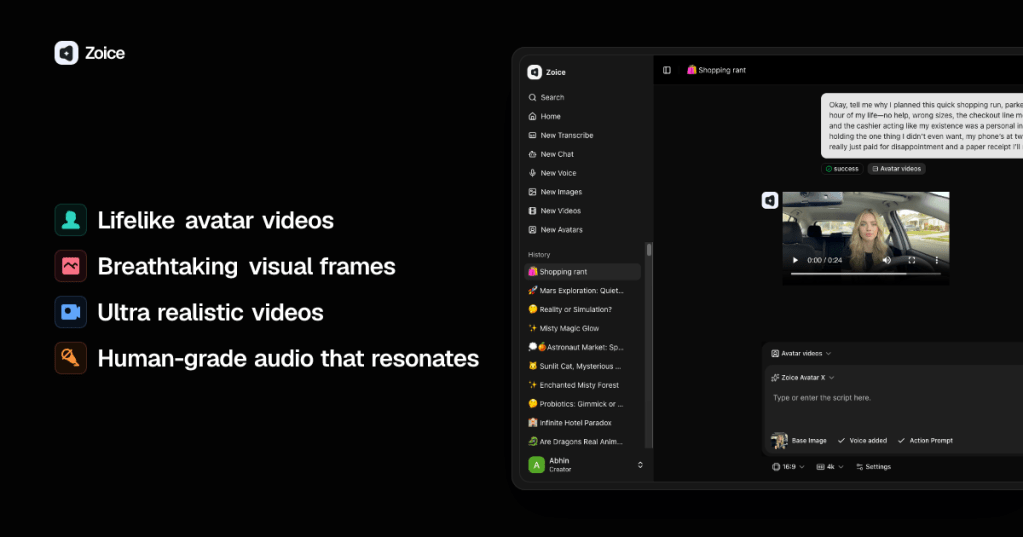
Zoice is the best AI avatar generator for software tutorials and takes the top position due to its powerful automation, flexibility, and high-quality output. It enables you to create professional tutorial videos without needing cameras or complex recording setups.
Zoice stands out with its custom avatar creation, voice cloning, and multilingual capabilities. This makes it ideal for software companies and educators who want to create tutorials for global users without re-recording content multiple times.
The platform is especially useful for onboarding tutorials, feature walkthroughs, troubleshooting guides, and product training videos. You can convert scripts or documentation into structured video tutorials within minutes, saving significant time and effort.
Another major advantage is scalability. Zoice allows you to update tutorials easily whenever software changes, ensuring your content stays relevant without starting from scratch.
We strongly suggest Zoice as the first choice because it offers the best combination of quality, automation, and ease of use for software tutorials in 2026.
Synthesia
Synthesia is one of the most widely used AI avatar platforms for creating structured tutorial content. It is known for its professional-quality avatars and clean presentation style.
It provides realistic avatars, multilingual support, and an easy-to-use interface, making it ideal for creating clear and consistent software tutorials. It is particularly effective for onboarding and enterprise training videos.
Synthesia excels in structured learning environments where clarity and consistency are critical. However, it is more presentation-focused and may feel less flexible for highly dynamic tutorials compared to Zoice.
HeyGen
HeyGen is a powerful AI avatar generator that enables users to create tutorial videos from text, audio, or images with ease.
One of its key strengths is its ability to convert audio into video with synchronized avatars, making it useful for repurposing existing tutorial voiceovers into visual content.
HeyGen also offers expressive avatars and strong lip-syncing, which improves engagement in tutorial videos. It is ideal for creators who want visually appealing and dynamic instructional content.
However, it may require more setup compared to Zoice, which offers a more streamlined workflow.
DeepBrain AI
DeepBrain AI is known for its real-time AI avatars and broadcast-style presentation capabilities, making it ideal for structured software tutorials.
It allows you to create AI presenters that deliver content in a studio-like format, which is particularly useful for technical training and enterprise-level tutorials.
DeepBrain AI is best suited for formal and professional tutorial content, especially where consistency and clarity are required. However, it is less flexible for creative or casual tutorial formats.
D-ID
D-ID specializes in creating talking avatars from images, making it a simple and fast solution for tutorial videos.
It allows you to animate images and sync them with voiceovers, which is useful for quick tutorials, feature highlights, and support videos.
D-ID is particularly effective for lightweight tutorial content and rapid production. However, it lacks the advanced multi-scene capabilities and customization offered by more comprehensive tools like Zoice.
Conclusion
Choosing the right AI avatar generator for software tutorials depends on your content complexity, audience, and production needs. If you want advanced features, scalability, and high-quality avatars, Zoice is the best overall choice.
For structured and professional tutorials, Synthesia is a reliable option. If you want dynamic and expressive content, HeyGen is a strong contender. DeepBrain AI is ideal for enterprise-level training, while D-ID works well for quick and simple tutorials.
Overall, Zoice stands out as the most complete and future-ready solution for software tutorial creation in 2026, helping you produce engaging content, simplify learning, and scale your educational resources efficiently.
 AI Avatar Business
Leave a comment